Whether you’re a seasoned adventurer or just starting your journey into the world of Dungeons & Dragons (D&D), the role of a Dungeon Master (DM) is one of the most exciting & important parts of the game. The Dungeon Master’s Guide (DMG) is your ultimate tool for creating adventures, guiding players through epic quests, & bringing the world of D&D to life.
Table of Contents
If you’re new to being a DM, the sheer amount of information in the DMG can feel overwhelming. But don’t worry, it’s easier than it seems once you break it down. In this blog post, we’ll walk you through the basics of the Dungeon Master’s Guide in a way that’s easy to understand & practical for beginners.
What is the Dungeon Master’s?
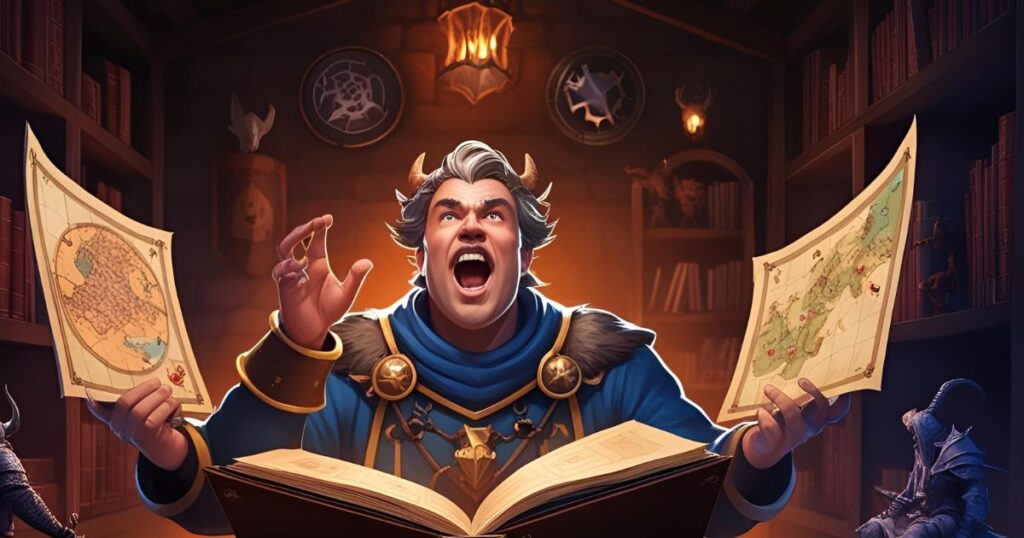
The Dungeon Master’s Guide is a core rulebook in Dungeons & Dragons (D&D) that is specifically designed to assist the Dungeon Master in running the game. The DMG is a treasure trove of information that provides rules, tips, & advice for running D&D campaigns, designing adventures, & creating non-player characters (NPCs), settings, & encounters. It’s the “behind-the-scenes” book for the person who guides the game, setting the stage for players to immerse themselves in the story.
As a Dungeon Master, you’re not just enforcing rules; you’re creating the world in which the players’ characters live. The DMG helps you with everything from basic rules to more complex systems like magic, treasure, & monsters. It’s your guide to being an effective, creative, & fun Dungeon Master.
What Does the DMG Include?
The Dungeon Master’s Guide is filled with different sections that help the DM with various aspects of running the game. Here’s a breakdown of the main sections you’ll find inside:
1. Dungeon Master’s Role & Responsibilities
The first thing the DMG does is explain the role of the Dungeon Master. As the DM, you’ll be responsible for:
- Setting up the story, world, & quests.
- Playing the NPCs (non-player characters) that the players interact with.
- Creating combat encounters, puzzles, & challenges for the players.
- Adjudicating the rules in a way that ensures the game is fun & fair.
The guide provides tips for balancing the adventure, managing different types of players, & keeping the game flowing smoothly.
2. Creating a Campaign & Adventures
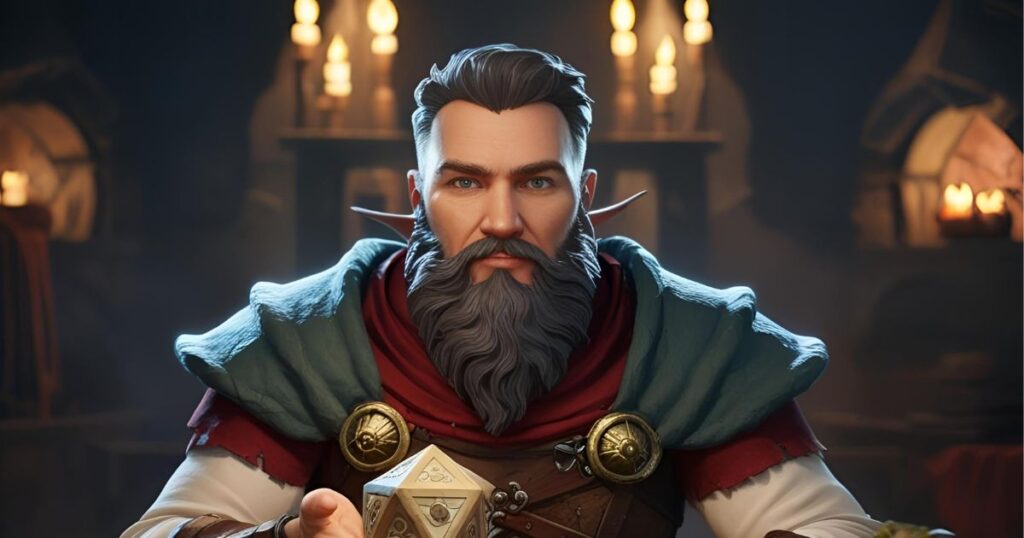
One of the most exciting parts of being a Dungeon Master is creating the story that your players will experience. The DMG offers advice on how to build an entire campaign, which can last for months or even years. It walks you through the process of:
- Developing an overarching plot.
- Creating quests & side stories.
- Crafting memorable villains & conflicts.
- Building immersive worlds & settings.
The guide also offers advice on improvisation, so you’ll be prepared if your players go off the beaten path.
3. Encounters & Challenges
As a DM, you’ll need to design challenges that keep your players engaged & excited. The DMG helps you create different types of encounters:
- Combat encounters: These involve fighting monsters or other enemies. The DMG provides detailed rules for designing combat, including how to create fair & balanced fights.
- Social encounters: These are conversations, negotiations, or social challenges. The guide offers tips for creating meaningful NPC interactions that allow the players to role-play.
- Exploration challenges: These could be environmental obstacles, puzzles, or riddles that players must solve to progress in the story.
Each of these encounters requires different skills, & the DMG provides tips on how to make them engaging & fun for everyone at the table.
4. Magic & Treasure
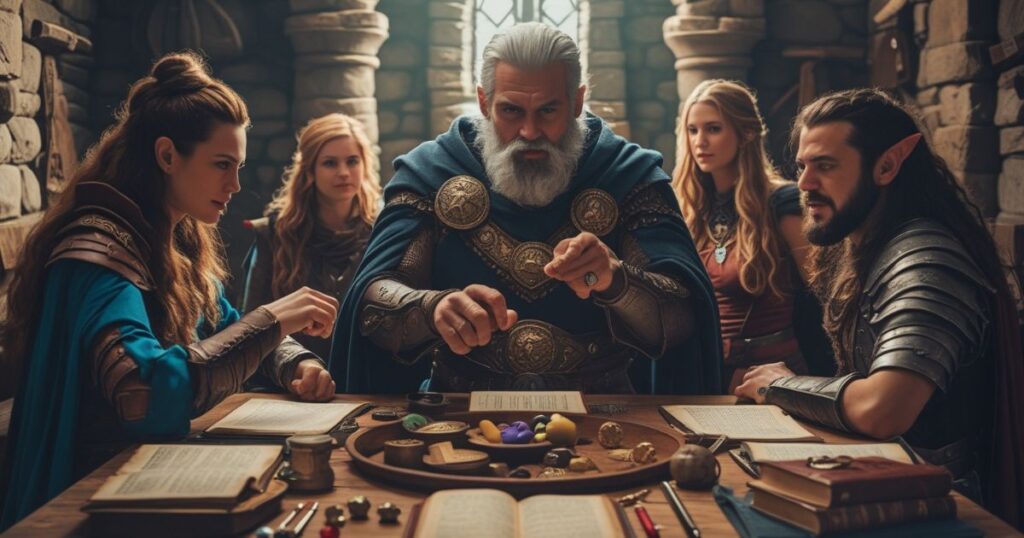
Magic plays a huge role in D&D, & the Dungeon Master’s Guide gives you the tools you need to understand & incorporate magic into your game. It includes:
- Magical items: How to create magical items & treasures that are rewarding for your players.
- Spells & magic systems: A deep dive into how magic works in the game, including how to balance powerful spells & magical effects.
- World-building: Incorporating magic into the world, making it feel like a natural part of the setting.
As a DM, you’ll also have to manage the magic items your players find, ensuring that they don’t unbalance the game while still rewarding them for their efforts.
5. Monsters & NPCs
No D&D campaign is complete without monsters & NPCs. The DMG gives you everything you need to create & run both.
- Monsters: The DMG contains guidelines for creating monsters, from basic creatures to legendary beings. You can use the tips to make unique monsters that fit your world & the tone of your campaign.
- Non-Player Characters (NPCs): NPCs are the characters that players interact with. They can be allies, enemies, or just bystanders in the story. The DMG gives you tools for creating interesting & memorable NPCs that enrich the world your players inhabit.
6. Advanced Rules
Once you’re comfortable with the basics, the DMG introduces more advanced rules that can make your game more complex & immersive:
- Downtime activities: When the players aren’t adventuring, the DMG gives you rules for managing their activities during downtime, such as crafting, building, or researching.
- Variant rules: These include optional rules for things like critical hits, optional classes, & different ways of managing combat or magic.
- Dungeon Design: The guide gives you tips for creating your own dungeons, including trap design, puzzle creation, & mapping strategies.
Tips for New Dungeon Masters
If you’re just starting out, the DMG can feel like a lot to take in. Here are a few tips to help you get started & avoid being overwhelmed:
- Don’t Overthink It – You don’t need to have every detail planned out in advance. Let your players help shape the story with their choices.
- Keep it Simple at First – Focus on a straightforward adventure or campaign. Don’t worry about making the world incredibly complex. You can always add more depth later as you get more comfortable.
- Engage Your Players – The best DMs know that the game is about everyone at the table. Involve your players in the story, & let them contribute to the world-building process.
- Embrace Improv – The players will always surprise you with their actions. Don’t worry about being perfect—just go with the flow & make decisions based on what feels right.
- Learn from Others – Watch experienced DMs run games, whether in person or through streams like Critical Role. You’ll learn a lot about pacing, storytelling, & handling different situations.
Conclusion
The Dungeon Master’s Guide is an essential resource for anyone looking to run a D&D game, but don’t let its size intimidate you. Start small, focus on the basics, & let your creativity guide you as you build memorable adventures. The more you practice, the more confident you’ll become, & soon you’ll be crafting amazing worlds & stories that will captivate your players.
Being a Dungeon Master is about more than knowing the rules; it’s about creating an experience where everyone can have fun, laugh, & feel like they’re a part of something greater than themselves. So pick up that DMG, get your dice ready, & start your journey into the exciting world of Dungeons & Dragons!
Read Also